AIMA Use Case
The Challenge
Navigating the legal path to residency in Portugal is a high‑stakes process, often experienced under pressure, uncertainty, and limited access to reliable guidance.
The challenge of this project was not simply to digitize an administrative process, but to rethink how legal information is translated into understandable, actionable steps for people under stress.
The existing residency process is fragmented across platforms, articles, and third‑party sources, frequently leading to confusion, errors, and increased dependency on informal or unreliable intermediaries.
This project aimed to redesign the entry point for residency applications and renewals, transforming a complex legal journey into a clear, personalized digital experience that prioritizes guidance, reassurance, and correctness from the very first step.
The Problem (The "Why")
Through stakeholder mapping and user research, several critical friction points emerged:
Information Overload
Users are exposed to dense legal terminology and generic documentation lists, without clarity on which specific legal “Article” applies to their case.Lack of Direction
There is no clear “Where do I start?” roadmap. This absence of guidance increases dependency on third‑party services, some of which are informal, costly, or unreliable.Uneven Digital Literacy
The solution needed to accommodate users with very different levels of technological confidence, from highly skilled professionals to first‑time digital service users.Systemic Anxiety
Because residency status directly affects employment, stability, and legality, the process carries a significant emotional burden — one that the existing interfaces fail to acknowledge or alleviate.
Together, these issues revealed that the core problem was not access to information, but the inability to translate legal complexity into confidence and clarity.
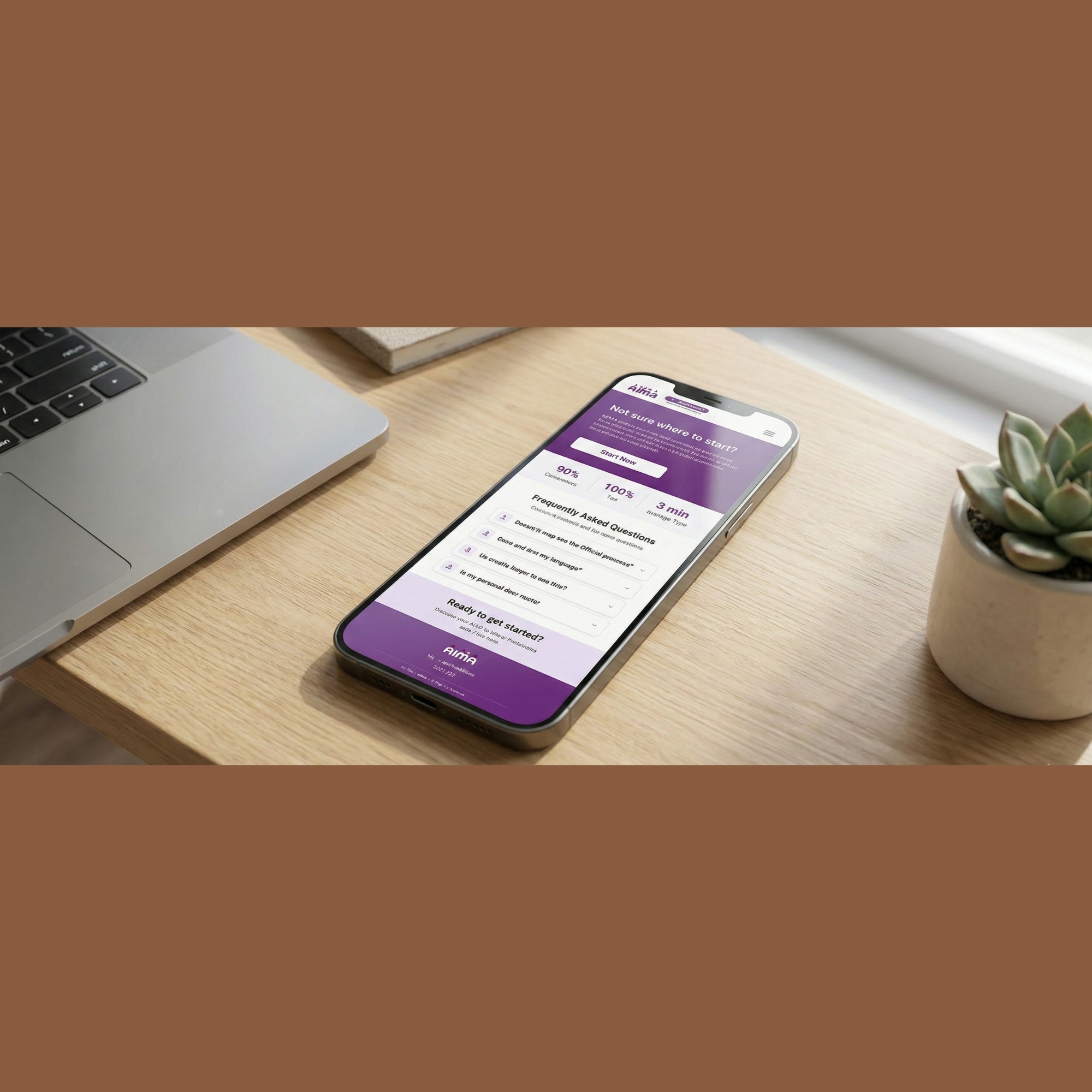
The Solution: "AIMA Ajuda"
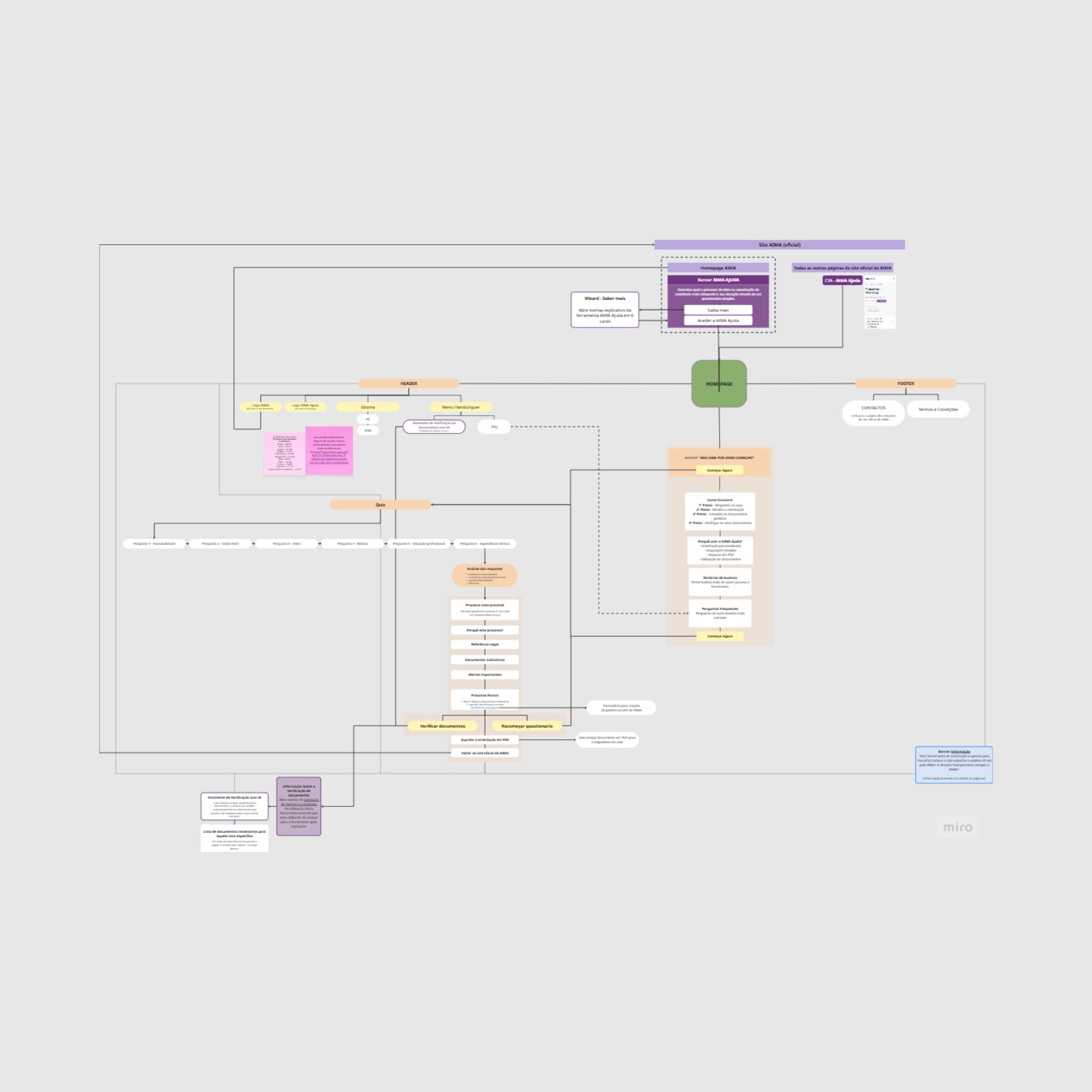
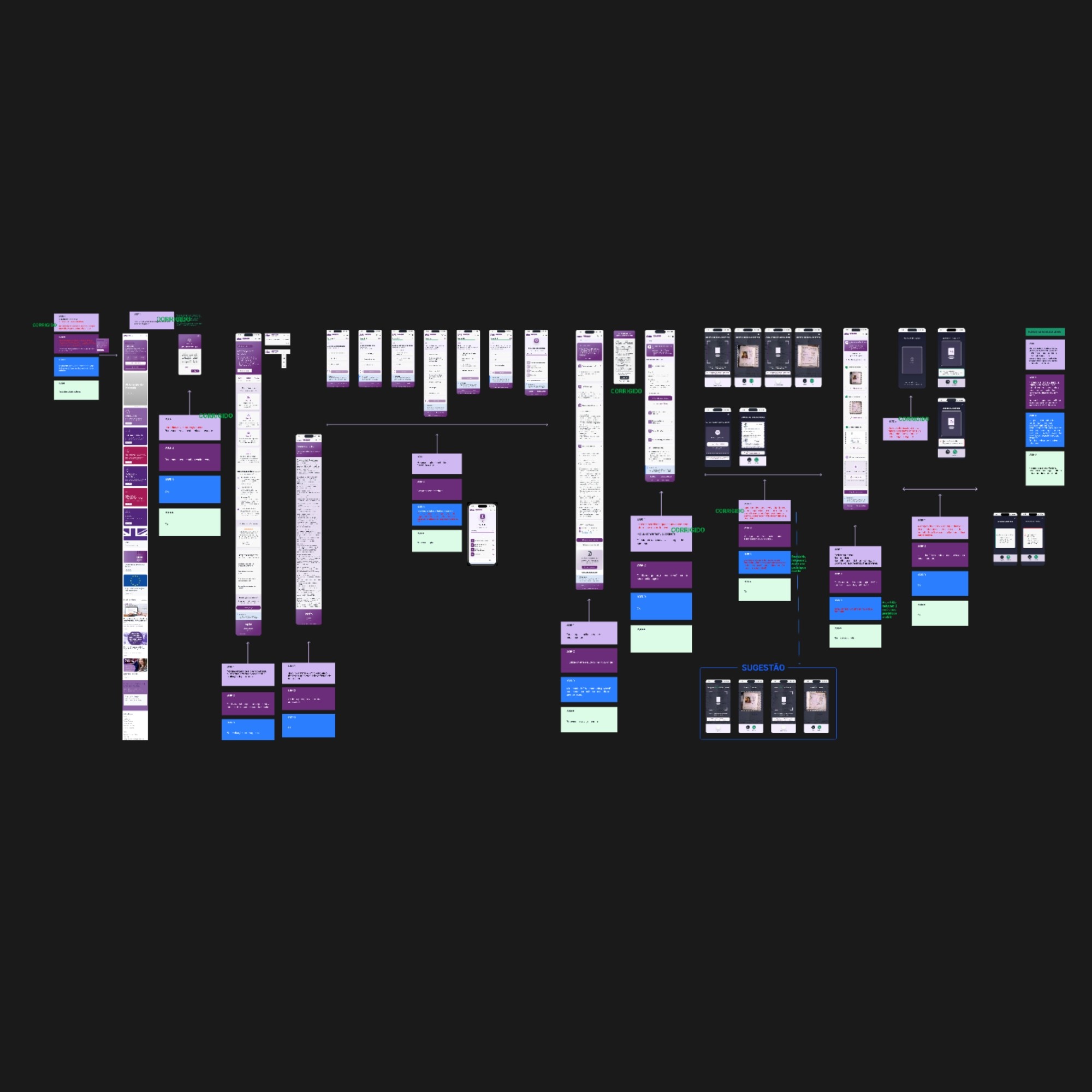
The solution was designed as a guided, decision‑based system rather than a static information portal.
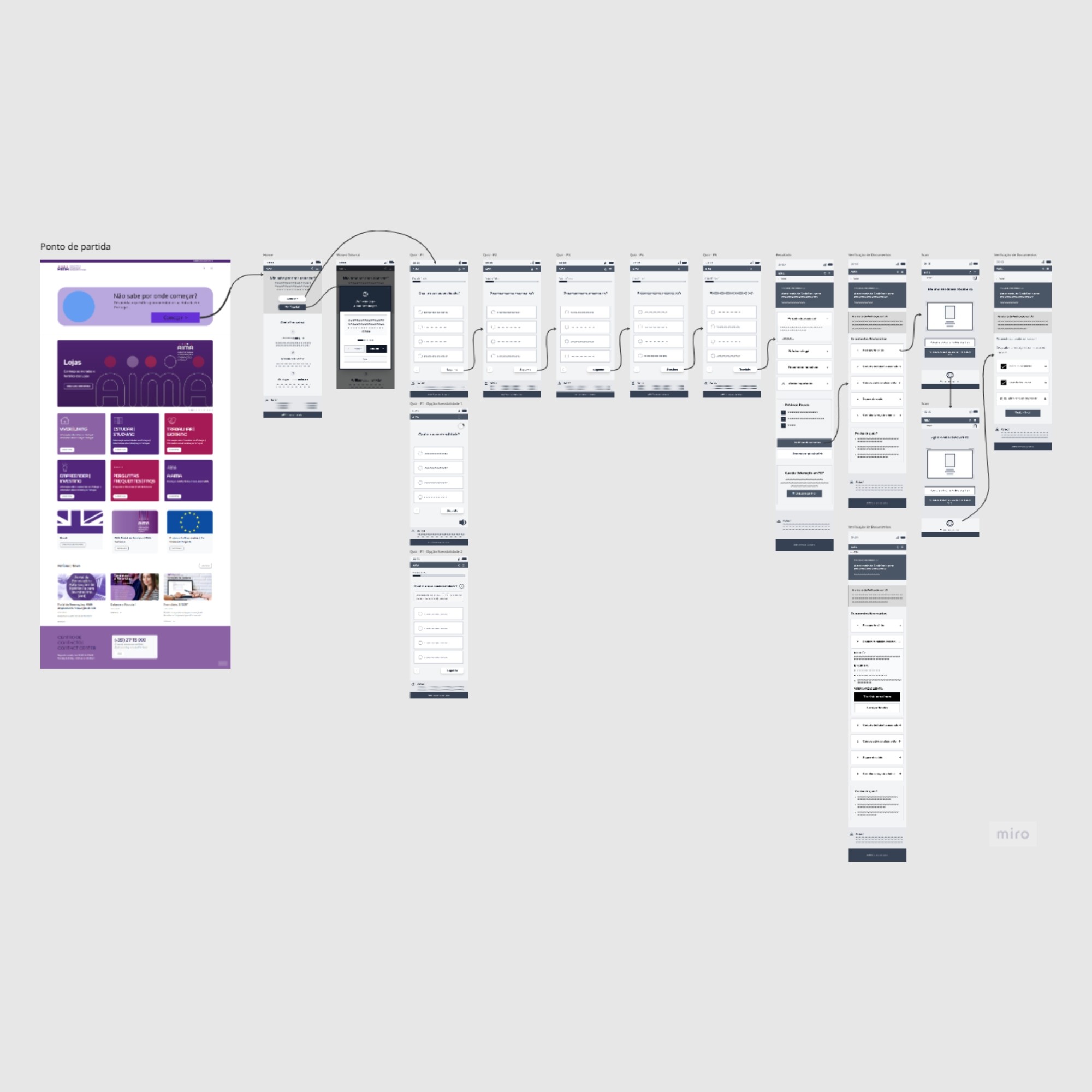
At its core lies a Personalized Onboarding Quiz, which filters the user’s situation and generates a tailored roadmap based on their specific residency profile.
Key components include:
Dynamic Checklist
Instead of generic document lists, users receive a customized checklist (e.g. NIF, NISS, employment contract) aligned with their legal pathway (such as Article 88.2), reducing ambiguity and preventable errors.Progressive Disclosure
Information is presented only when relevant, minimizing cognitive overload and preventing analysis paralysis caused by premature exposure to unnecessary legal details.Status Transparency
Clear CTAs and visible “Next step” indicators ensure users always understand where they are in the process, what is required next, and what has already been completed.
The intention was to shift the experience from “understanding the law” to “knowing what to do next”.s.
User Personas & Journey Mapping
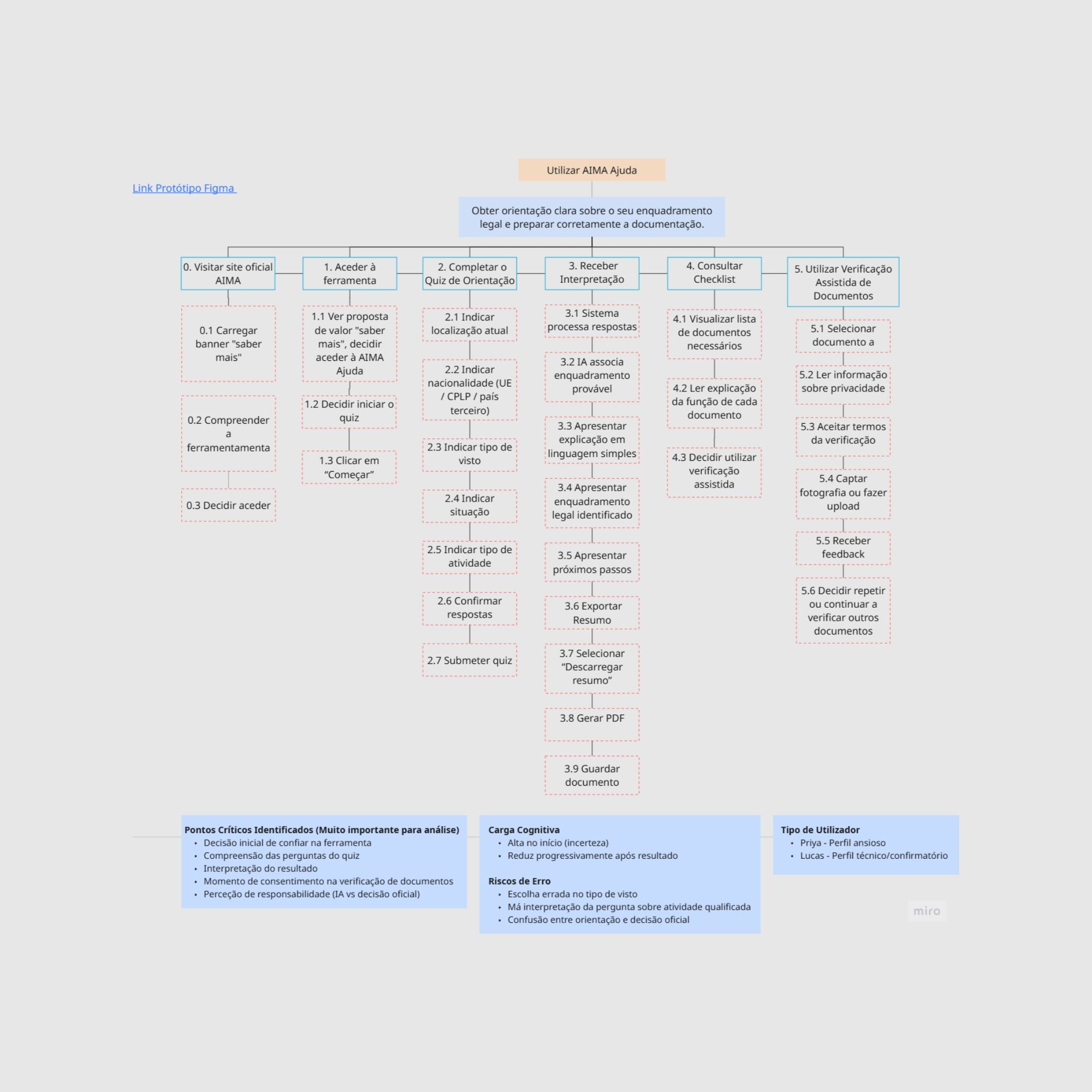
To ensure inclusivity and robustness, the solution was tested against extreme user profiles:
Priya (The Anxious Profile)
Requires constant reassurance, validation of uploaded documents, and confirmation that no steps have been missed.Lucas (The Technical Profile)
Seeks fast access to official documentation, precise legal references, and confirmation of procedural accuracy.
Designing for these contrasting needs ensured that the system remained both supportive and efficient, regardless of confidence level or legal familiarity.
The overarching goal:
to reduce time spent navigating from hours to minutes, while rebuilding trust in the official institution through clarity and predictability.
Design Impact
Self‑Service Empowerment
By enabling users to independently understand and manage their process, the solution reduces dependency on phone calls, physical appointments, and external intermediaries.Error Reduction
Guiding users to the correct legal pathway from the outset minimizes incorrect applications, easing pressure on institutional systems and reducing processing delays.Trust Through Clarity
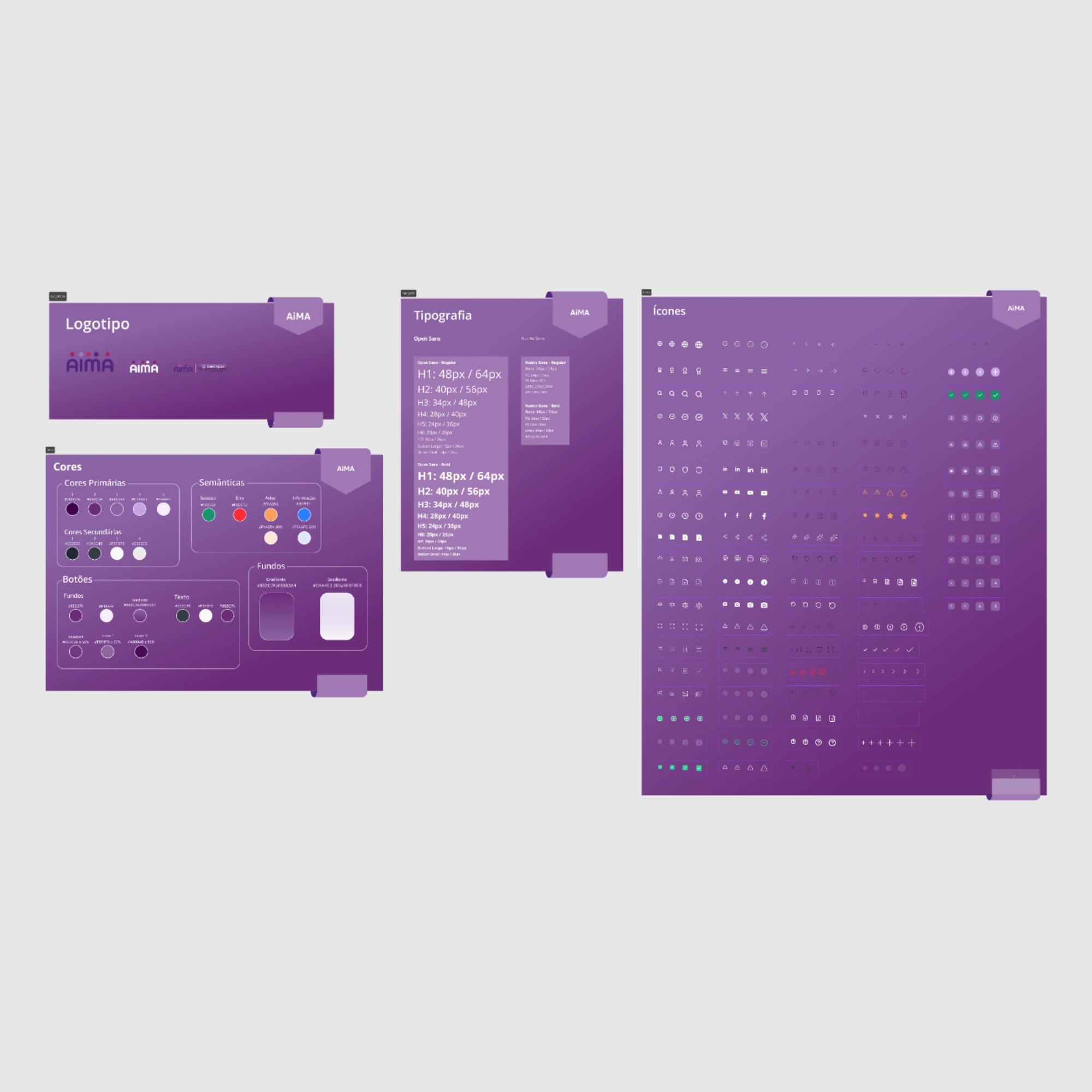
A clean, accessible, and consistent interface communicates stability, reliability, and institutional support — critical qualities in government‑related digital services.Ultimately, the project reframes digital government services not as bureaucratic gateways, but as active guides through legally and emotionally complex journeys
Industry
Redesigning the Residency Application Experience
Year
Client
AIMA