Cupra Raval
The Challenge
The challenge went beyond launching the Cupra Raval in 2026.
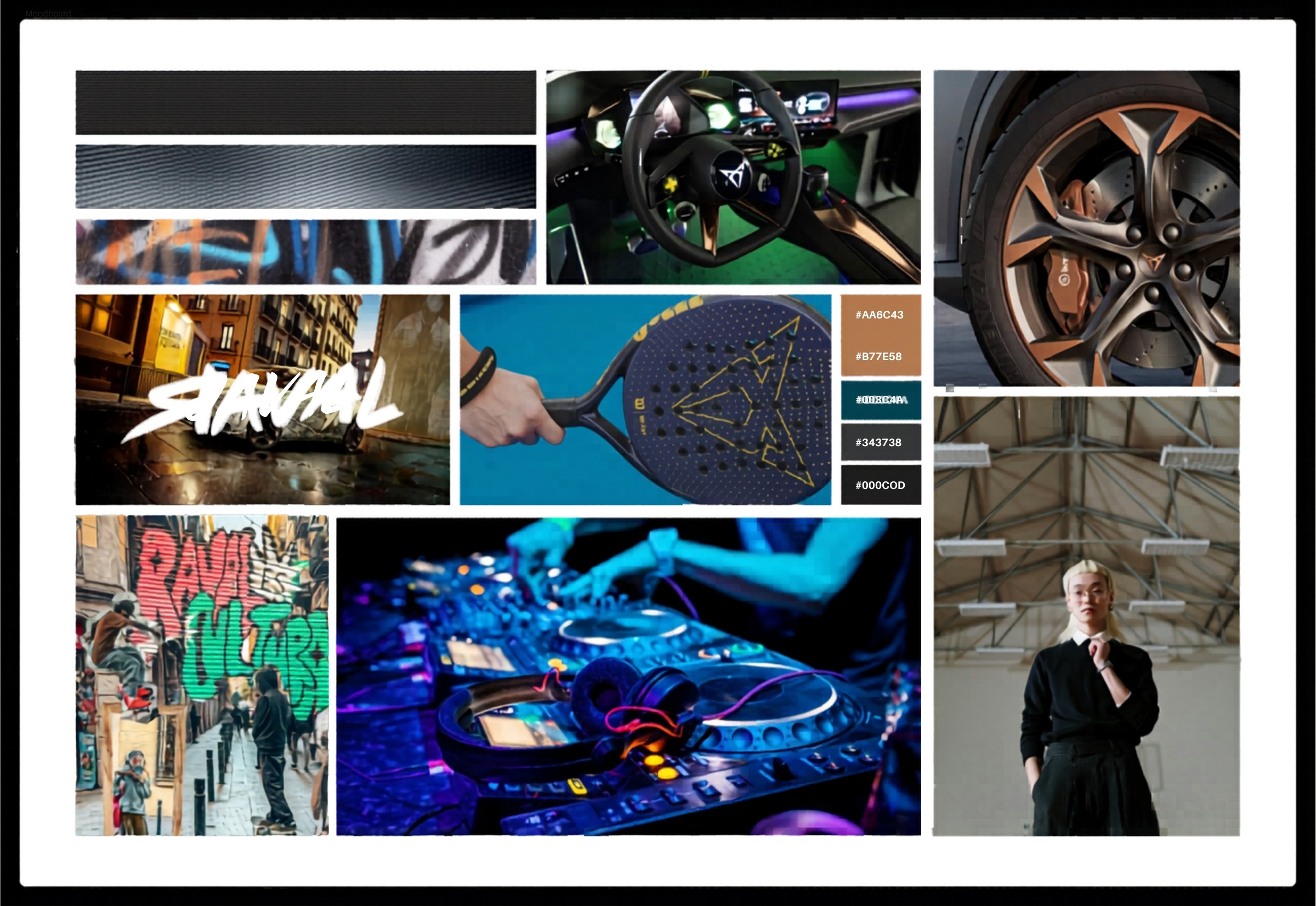
At its core, this project explored how a strong and provocative brand identity could be translated into a digital experience capable of reducing hesitation and driving real commitment.
Rather than positioning the vehicle purely as a product, the challenge was to frame the experience as an extension of the user’s identity — allowing potential buyers to recognize themselves in the car before any physical interaction.
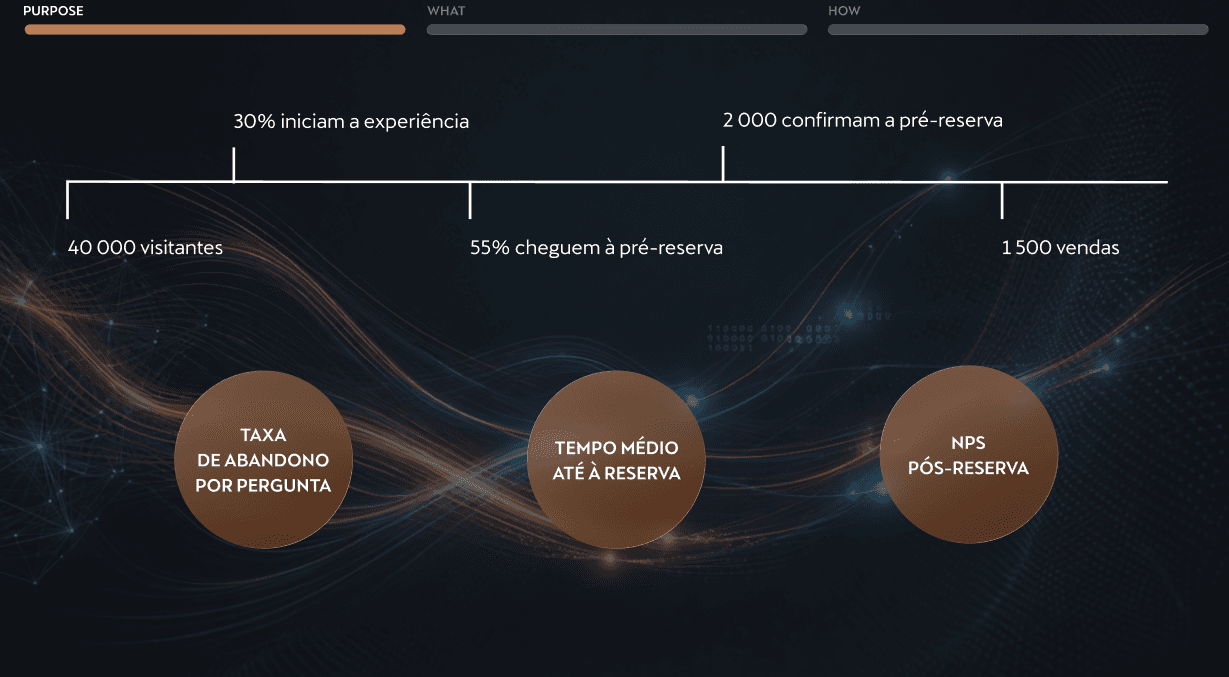
The objective was ambitious and measurable: to convert initial interest into tangible results, targeting 40,000 visitors, 2,000 pre-orders, and 1,500 final sales.
However, these KPIs raised a critical question:
how can a digital touchpoint support emotional connection while still enabling confident, rational decision-making?
This tension between desire and validation shaped the entire strategic and design direction of the project.
The Problem (The "Why")
The project addressed key gaps in the traditional car-buying journey, particularly at the intersection of digital interaction and consumer psychology.
Three core problems emerged:
Decision Paralysis
Current configurators overwhelm users with excessive options. Instead of empowering choice, they often increase insecurity, delay decisions, and lead to abandonment.Form Friction
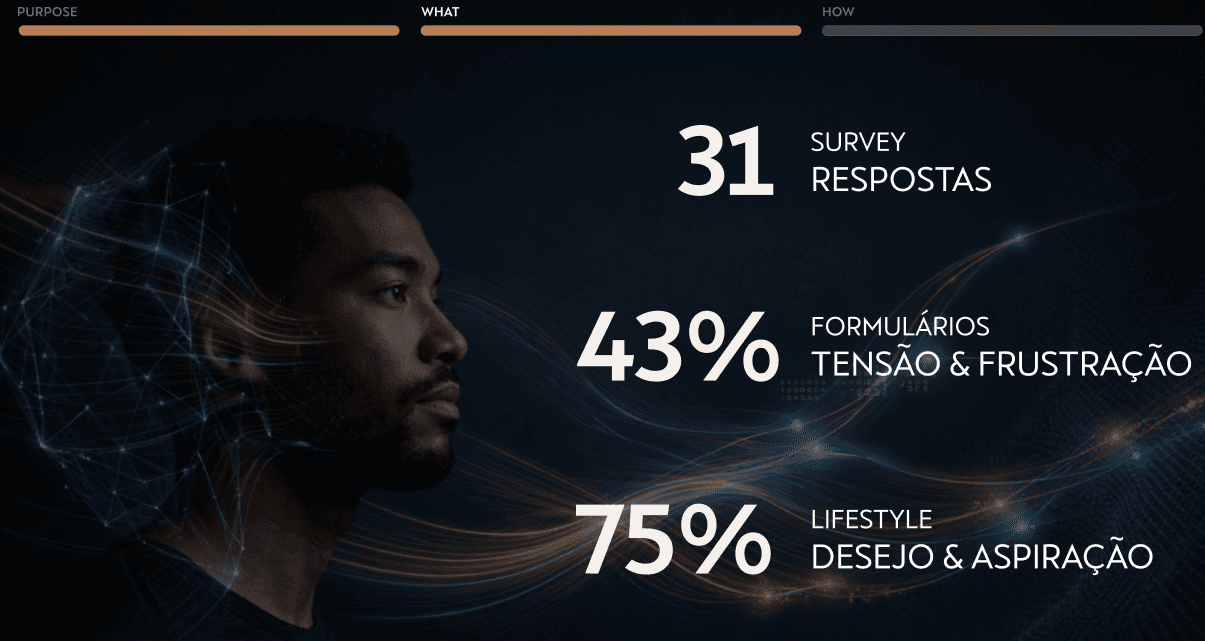
Traditional lead-generation forms create pressure at moments when users are still exploring. Approximately 43% of feedback indicated that these touchpoints generate tension rather than reassurance.Emotional Uncertainty
Beyond specifications, users struggle with questions such as:
“Is this car really for me?”
“Does it represent who I am?”
“Will it fit my lifestyle?”
These emotional doubts are rarely addressed by conventional sales flows focused on features and pricing alone.
Together, these issues reframed the problem:
the challenge was not a lack of information, but the absence of guidance, confidence, and emotional alignment throughout the decision process.
Research & Insights
To better understand user behavior and decision-making patterns, qualitative and quantitative data was collected through surveys, with 31 responses analyzed.
Several key insights emerged:
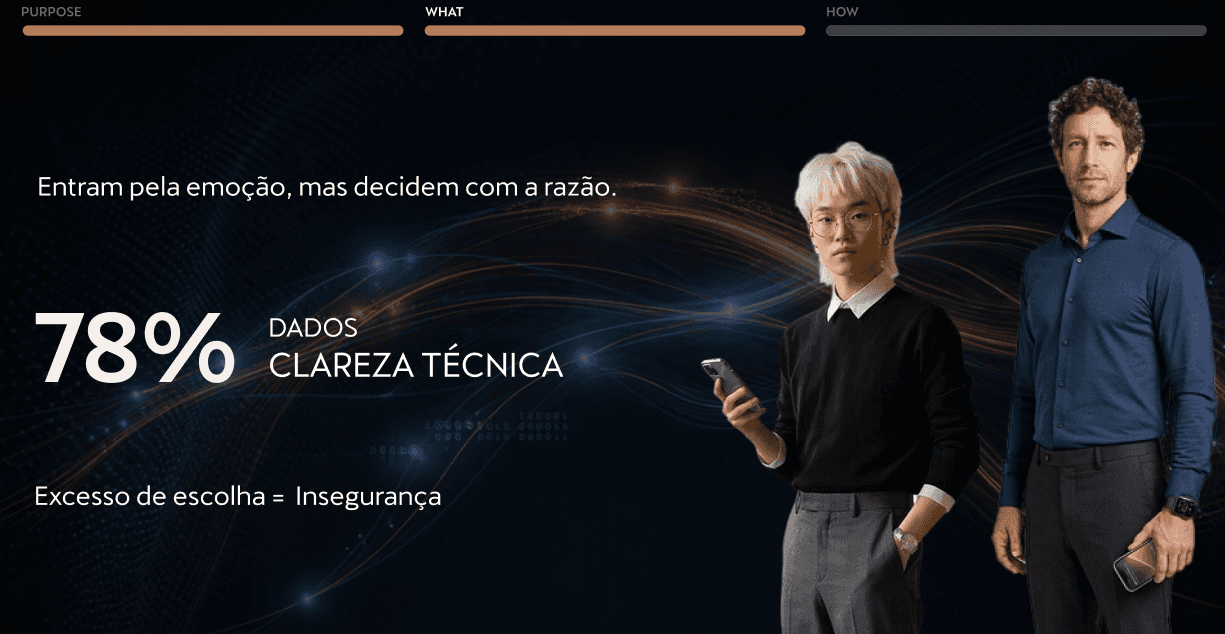
Emotion Initiates, Reason Confirms
Users enter the experience driven by emotion — with 75% associating interest with lifestyle, desire, and aspiration.
However, final decisions rely heavily on rational validation, with 78% demanding technical clarity and concrete data.Personalization as Self-Recognition
Users did not perceive personalization as a technical convenience, but as a way to see their identity reflected in the product. The configurator was expected to function more like a mirror than a control panel.Conversion as a Gradual Commitment
The strategy forecasted that approximately 30% of users starting the experience could reach the pre-order stage, with a Reveal-to-Pre-order conversion rate between 20–30%.
A key tension became clear:
the experience had to balance emotional engagement with structured reassurance, without allowing one to undermine the other.
Functional Benchmarking
A comparative analysis of established brand configurators was conducted to identify friction points and opportunities. The analysis included:
Nissan (e.g., Micra)
Mercedes-Benz (e.g., CLA with EQ technology)
BMW (iX, i7, i5)
Toyota (bZ4X)
The benchmarking revealed a recurring industry pattern:
most experiences prioritize technical specifications, performance metrics, and engine variants early in the journey.
While this approach ensures clarity, it often minimises emotional expression and personal connection. For a brand like Cupra, fully adopting this model would risk diluting its rebellious positioning.
At the same time, avoiding structure altogether would compromise usability and trust.
This insight reinforced the need for a differentiated approach — one that reframed configuration as self-discovery, rather than technical comparison.
Strategic Solutions
The proposed solution was conceived as an integrated digital and physical ecosystem, designed to gradually build confidence, identity alignment, and commitment.
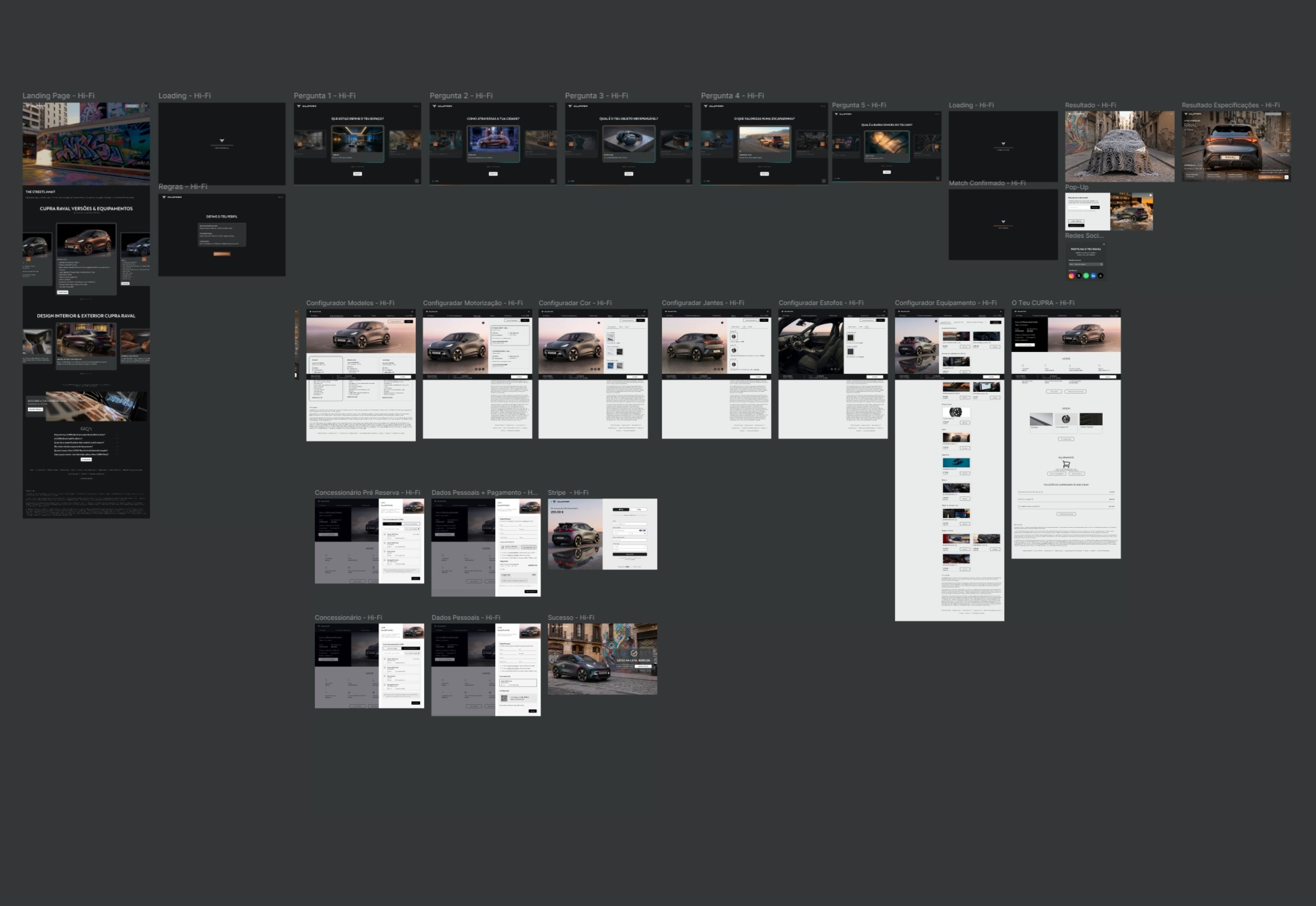
The Reveal Quiz
Developed as an interactive matching tool, the quiz repositions configuration as a process of self-discovery rather than option selection.
It directly addresses decision paralysis by translating preferences, behaviors, and values into tailored recommendations.Adaptive System
The system evolves with each interaction, capturing meaningful behavioral patterns instead of static lead data.
This allowed the experience to respond to user intent dynamically, supporting users as their confidence gradually increases.Raval Universe
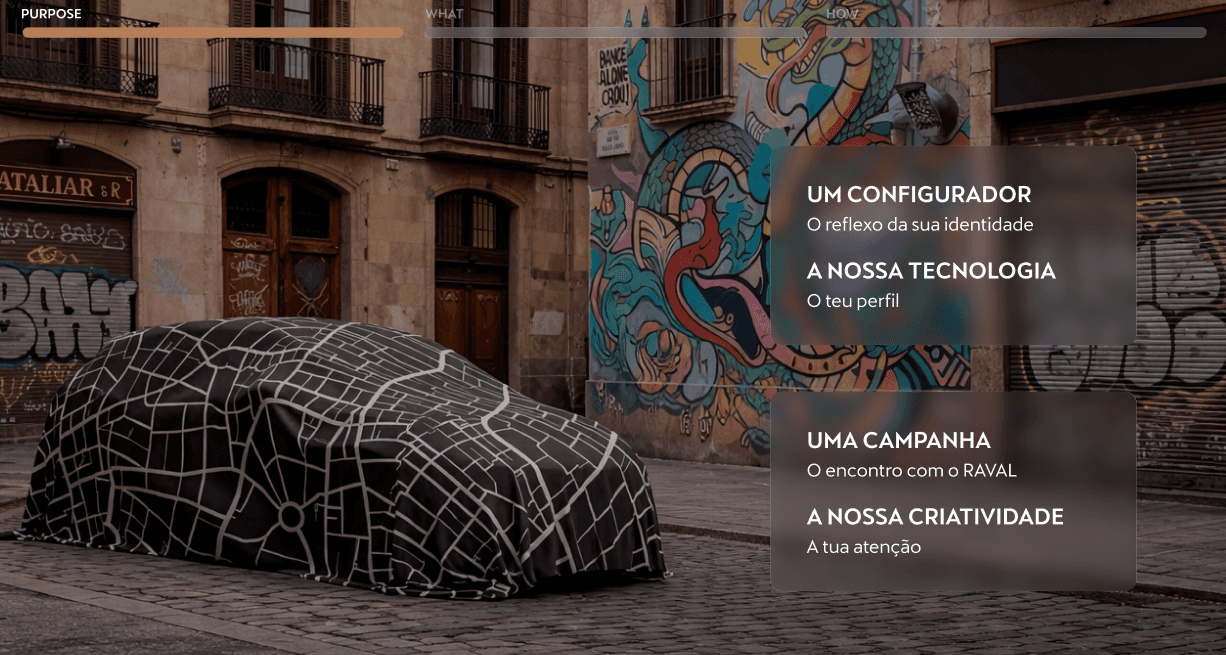
A physical, immersive brand experience structured into thematic “districts” — Experience, Music, Art, Movement, and Decision — designed to materialize Cupra’s momentum and reinforce emotional connection beyond the screen.Multi-channel Campaign
Social media, digital displays, and on-site activations at Estoril Racetrack were leveraged to create a sense of belonging and exclusivity, ensuring continuity between digital engagement and physical presence.
Each solution directly responded to previously identified insights, prioritizing emotional clarity first and rational validation second — a deliberate inversion of traditional configurator logic.
Industry
Digital Tool
Year
Client
Cupra